
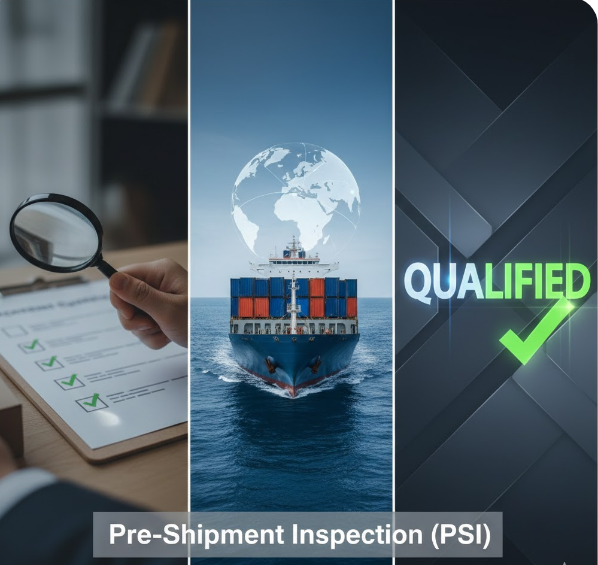
The Ultimate Guide to Pre-Shipment Inspection (PSI)
Ensuring Quality in Global Trade
In the complex landscape of international procurement, the distance between a buyer’s expectations and the factory’s output can be vast. For businesses operating through the strategic logistics hubs of Georgia and the wider Caucasus region, mitigating this risk is paramount.
A Pre-Shipment Inspection (PSI) is not merely a formal check; it is a critical quality assurance process that occurs when goods are at least 80% manufactured and packed. This guide explores why PSI is the gold standard for risk management in global trade and how JSPQA ensures your investments are protected.
What is a Pre-Shipment Inspection (PSI)?
A Pre-Shipment Inspection is a systematic procedure where a third-party inspection agency (TPIA) like JSPQA verifies that the products match your purchase order in terms of quality, quantity, and technical specifications. For international buyers, this acts as the final opportunity to identify defects before the financial balance is paid and goods leave the country of origin.
The Technical Core: Understanding AQL
We use the ISO 2859-1 (ANSI/ASQ Z1.4) standard, commonly known as the AQL Table, to provide a data-driven "Pass/Fail" result. During a PSI, our inspectors categorize defects into three levels:
-
Critical Defects: Zero tolerance. These could cause harm to the user or violate regulations.
-
Major Defects: These make the product unacceptable to the end consumer.
-
Minor Defects: Slight departures from specifications that do not affect usability.

5 Critical Benefits of Professional PSI Services
5 Critical Benefits
Conclusion: Your Partner in Quality Assurance
Pre-shipment inspection is not just a formality; it’s a strategic investment that protects your capital, your reputation, and your customers. At JSPQA, we provide the clarity and confidence you need to trade internationally with peace of mind.