
Container Loading Supervision: The Complete Guide to Safe and Secure Shipments
10 Critical Benefits of Container Loading Supervision for Secure and Damage-Free Shipping
What Is Container Loading Supervision?
Container Loading Supervision is an inspection service performed during the loading of goods into shipping containers. Its main objective is to ensure that products are loaded correctly, counted accurately, and secured properly to prevent damage during transit.
In international trade, even small loading mistakes can result in serious financial losses. Poor stacking, incorrect container selection, or improper sealing can lead to product damage, theft, or shipment rejection. That’s why Container Loading Supervision plays a critical role in supply chain security.

Quality & Quantity Verification
Why It Matters in Global Trade
Global shipments involve multiple handling stages—loading, transport, port operations, and customs clearance. Each stage introduces risk. Container Loading Supervision ensures that goods leave the supplier’s warehouse in optimal condition, reducing uncertainty and liability.
The Importance of Container Loading Supervision
Without proper supervision, containers may be overloaded, underloaded, or improperly balanced. These issues can cause serious disruptions in the logistics chain:
Professional supervision minimizes these risks and protects both buyers and sellers.
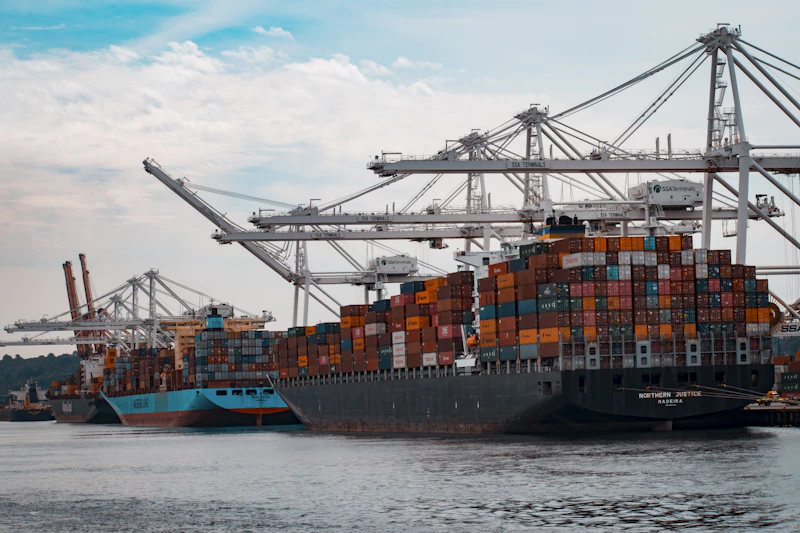
Reducing Shipping Risks
By verifying container condition, monitoring loading procedures, and documenting the process, inspectors create accountability. If disputes arise, documented evidence provides protection.
Inspectors act as your eyes on the ground, ensuring that what you paid for is what actually gets loaded and sealed correctly.
Step-by-Step Container Loading Supervision Process
A structured Container Loading Supervision process includes three critical stages to ensure total shipment integrity:
1. Pre-Loading Inspection
Inspectors perform rigorous checks before any goods enter the container:
- Container cleanliness and dryness
- Structural integrity (no holes, rust, or cracks)
- Absence of strange odors
- Container number verification
2. Monitoring the Loading Process
During loading, inspectors ensure compliance with safety standards:
- Verification of product quantities and SKUs
- Proper packaging and safe stacking methods
- Weight distribution balance and pallet condition
- Photographic documentation of the entire process
3. Sealing and Documentation
The final step to guarantee shipment security:
- Sealing the container with a verified seal number
- Review of all shipping documentation
- Issuance of a detailed loading supervision report
Key Responsibilities of Inspectors
Container loading inspectors act as the final line of defense against logistical errors:
Tools and Checklists Used in Container Loading Supervision
Professional inspectors use a specialized set of tools to ensure transparency and accuracy throughout the loading process:
- ✅ Standardized loading checklists
- ✅ Digital reporting systems
- ✅ Cameras for photographic evidence
- ✅ Moisture detection tools
- ✅ Weight verification documents
- ✅ Real-time reporting apps
Benefits of Professional Container Loading Supervision
🛡️ 1. Reduced Product Damage
Proper stacking prevents shifting and damage during transit.
🔒 2. Theft Prevention
Seal verification reduces tampering risks significantly.
📊 3. Accurate Quantity Verification
Avoids shortages or inventory disputes with suppliers.
💰 4. Lower Insurance Claims
Reduces financial losses and keeps insurance premiums low.
🤝 5. Increased Customer Confidence
Clients trust well-documented and safely handled shipments.
📜 6. Compliance with Shipping Standards
Ensures all international logistics requirements are met.
Common Loading Mistakes and How to Avoid Them
Some frequent errors in container loading can lead to catastrophic results if not identified early:
Proper supervision identifies and corrects these issues immediately.
Industry Applications
Container Loading Supervision is essential for:
Container Loading Supervision vs Pre-Shipment Inspection
International Standards and Guidelines
Shipping and container practices often align with global standards developed by the International Organization for Standardization, including ISO container specifications.
Following international standards improves compliance and shipment reliability. You can review official ISO guidelines at: www.iso.org.
Frequently Asked Questions (FAQs)
1. What is the purpose of Container Loading Supervision?
To ensure goods are loaded safely, counted accurately, and protected during shipping.
2. Is Container Loading Supervision necessary for every shipment?
It is highly recommended for high-value, fragile, or large-volume shipments.
3. Who performs Container Loading Supervision?
Qualified third-party inspection agencies or trained in-house inspectors.
4. Does it delay shipment?
No. When scheduled properly, it aligns with loading timelines.
Conclusion
Container Loading Supervision is a vital safeguard in international logistics. By verifying container condition, monitoring loading procedures, and documenting every step, businesses significantly reduce risks of damage, theft, and shipment disputes. In today’s global marketplace, reliability is everything. Investing in professional Container Loading Supervision ensures your goods arrive safely, your reputation remains strong, and your operations run smoothly.