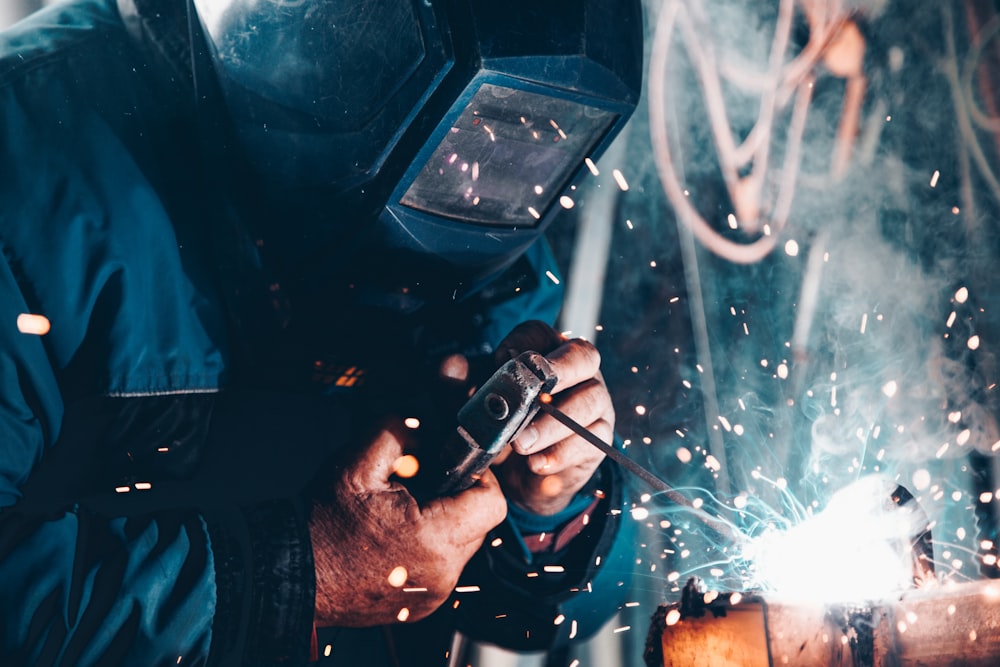
Visual Inspection (VT)
The most fundamental method. We examine weld size, shape, and surface defects with certified precision.
Non-Destructive Testing
Using UT, RT, and MT to detect internal flaws without damaging the material, ensuring deep structural integrity.
Destructive Testing (DT)
Physical testing of weld samples to evaluate maximum strength and performance for qualification purposes.
International Welding Standards & Compliance
Our inspection procedures strictly follow recognized global codes to ensure your projects are safe, durable, and legally compliant.
American Welding Society
Boiler & Pressure Vessel Code
International Quality Standards
Oil & Gas Industry Standards
Our Systematic Inspection Process
Pre-Welding
Verifying base materials, WPS, welder qualifications, and joint preparation before the work begins.
In-Process
Continuous monitoring of heat input, welding parameters, and environmental conditions during welding.
Post-Weld
Thorough defect detection (cracks, porosity, etc.) and final safety verification after completion.

Frequently Asked Questions
What is the main purpose of welding inspection?
To ensure welds meet required quality standards and prevent structural failure or safety hazards.
Is third-party welding inspection mandatory?
In high-risk industries like oil and gas, it is often required by international codes and insurance providers.
Which NDT methods do you use?
We use UT, RT, MT, and PT based on material type and project specifications.
Ready to Start?
Get in touch with our certified inspectors for a free consultation on your welding project.
Contact JSP Today